

Many communities still lack access to affordable internet. Small-scale internet-sharing businesses, often called RT/RW Net, can be a business opportunity. However, before purchasing equipment, make sure you understand the full picture so you don’t waste your investment.
Check the rules and permits first
The first thing to check is the terms of service from your internet service provider (ISP). Many residential plans prohibit the resale of internet connections. Ask your ISP directly if they offer business plans or partnership programs that allow for reselling. Additionally, find out about the business and telecommunications licensing requirements in your area. Starting off on the right foot will help you avoid having your service terminated down the line.
Essential equipment
- A primary internet connection with sufficient speed and data allowance for the number of customers.
- A MikroTik router to manage the hotspot, control speeds, and handle the voucher system.
- Access points to distribute the signal to customer areas.
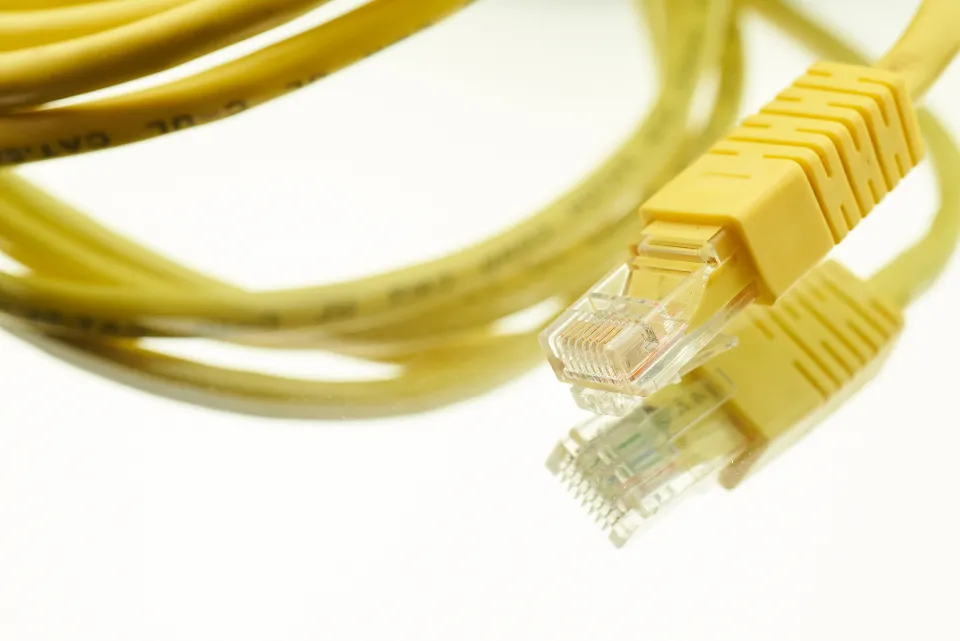
- LAN cables and connectors to connect the devices.
- A UPS or voltage stabilizer, as power outages and voltage fluctuations often damage devices.
Calculating Capital and Costs
Make a simple calculation before launching the service:
- Calculate monthly fixed costs: internet subscription, electricity, and device installments.
- Estimate a realistic number of active customers in the first few months.
- Set package prices so that revenue covers fixed costs based on a conservative estimate of the number of customers.
Don’t base your calculations on the assumption that all customers are active all day. Usage typically peaks in the evening, so capacity must be sufficient during peak hours.
Sales system: vouchers or subscriptions
Hotspot vouchers are suitable for daily or weekly customers, such as students and visitors. Monthly subscriptions with member accounts are suitable for households. Many businesses use both. A well-organized login page, featuring a list of packages and admin contact information, helps new customers understand how to make a purchase.
The key to business survival
- Limit the speed per user to ensure fair connectivity during peak hours.
- Keep track of every voucher sale from day one.
- Respond to complaints quickly; RT/RW Net customers usually know each other, and word of mouth spreads fast.
- Set aside funds to replace damaged equipment.
Start in a small area, measure actual usage for one to two months, then expand the network as demand grows.

The Digitize Store team: technicians and digital product makers helping you choose and use technology well.